Rail-mounted elevator brake technology
Stop Unintended Movement/Ascending Overspeed.Every Time.
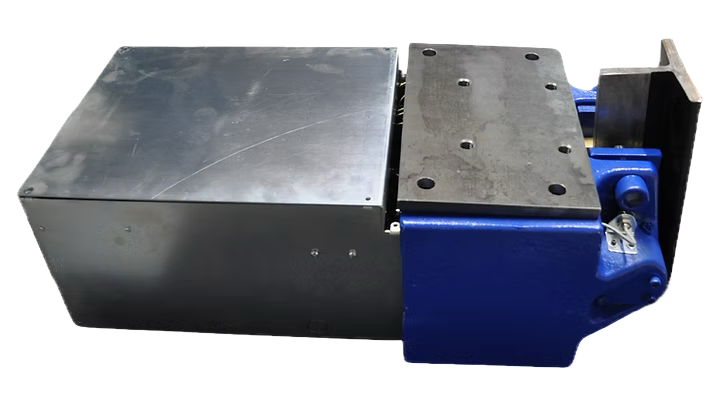
The patented HydraSafe Brake grips directly to the elevator rail, stopping unintended car movement or ascending car overspeed even when traditional drive and electrical systems fail. Built for traction elevator modernization. Proven worldwide.

The project question
A retrofit needs a defined protection function
A brake retrofit starts with the equipment record, not a generic product claim. The project team should identify the elevator type, machine and brake configuration, governing code, local amendments, required test conditions, and acceptance path before choosing an approach.
Hydraulic equipment
Hydraulic elevator safety questions require their own equipment review. Do not apply traction-elevator deadline language to hydraulic equipment.
Traction modernization
UCM and ascending car overspeed are distinct functions. The governing code and local amendments determine what the project must address.
Project record
Product data, drawings, test planning, inspection, and AHJ acceptance are separate parts of a completed retrofit.
The mechanism
How the brake is applied
The project defines the required function
The device configuration and operating sequence are reviewed against the elevator, applicable code provision, and required protection function.
The brake engages the guide rail
The rail-mounted mechanism applies braking force directly to the elevator guide rail, outside the machine brake assembly.
Testing and acceptance complete the work
Physical mounting is only part of the project. Required testing, inspection, corrections, and AHJ acceptance determine return to service.
For project teams
Documentation for each role in the retrofit
Define the requirement
Use the equipment record, code citation, technical documents, and acceptance plan to develop a defensible specification.
- Document the governing requirement
- Review configuration-specific technical data
- Define submittal and test requirements
- Confirm the AHJ process
Plan the field work
Verify access, rail conditions, control interfaces, testing, and inspection needs before committing to a schedule.
- Survey the proposed mounting location
- Separate mounting from return-to-service timing
- Coordinate documentation and testing
- Review installation instructions
Understand the scope
A qualified elevator professional can evaluate the equipment, local requirements, schedule, and approval path for the property.
- Maintain an accurate elevator inventory
- Confirm jurisdiction-specific requirements
- Plan permits and building access
- Keep acceptance and maintenance records
Technical documentation for review
Documentation must match the proposed installation
HydraSafe provides technical documentation for project review. Confirm each document’s scope, device configuration, rated load, rated speed, and local acceptance requirements before specification.
"A sound retrofit begins with the equipment record, the governing requirement, and a documented acceptance path."
— HydraSafe Brake project guidance
Installation planning
Keep physical work and acceptance work separate
The brake mounts at the guide rail without modifying the elevator machine. Physical rail mounting is typically completed within six hours inside a permitted project. Permits, testing, inspection, and AHJ acceptance set the actual return-to-service schedule.
Rail-mounted installation
The device is installed at the guide rail, outside the machine brake assembly.
No machine modification
The installation scope does not require modification of the elevator machine.
Project documentation
Installation and maintenance documents are available for review with the project team.
Training and support
HydraSafe can discuss installation documentation and technical questions with qualified elevator contractors.
Start with the equipment and jurisdiction
Request current product documentation for review with your elevator consultant, contractor, and Authority Having Jurisdiction. Final applicability and acceptance are project-specific.
In memory of Tim Toan, A respected leader in the elevator industry. His commitment to safety, craftsmanship, and doing the job right continues to guide this work.